Raspberry Pi Improves Carbon Assessment of Chips Through MicroGreen Model
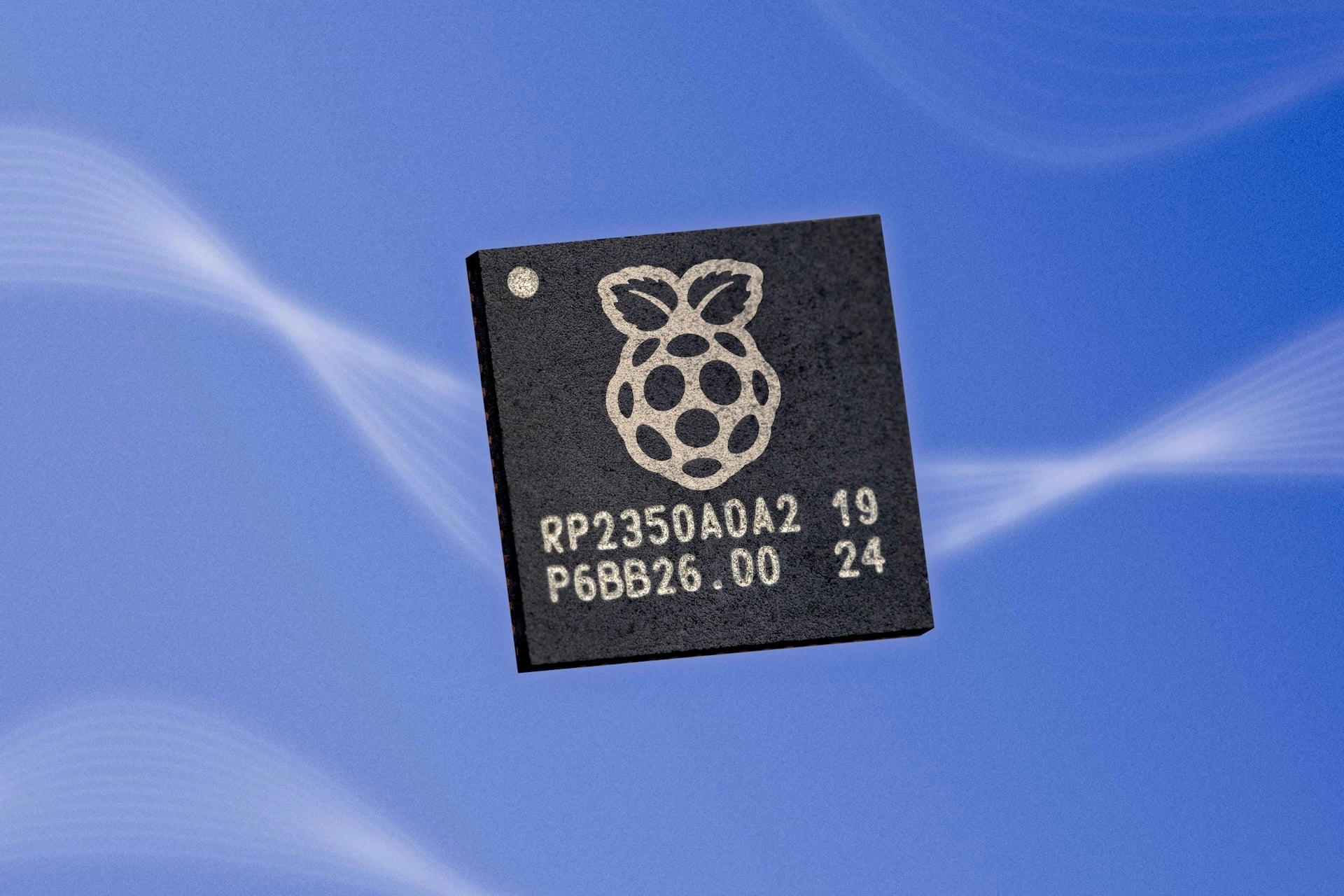
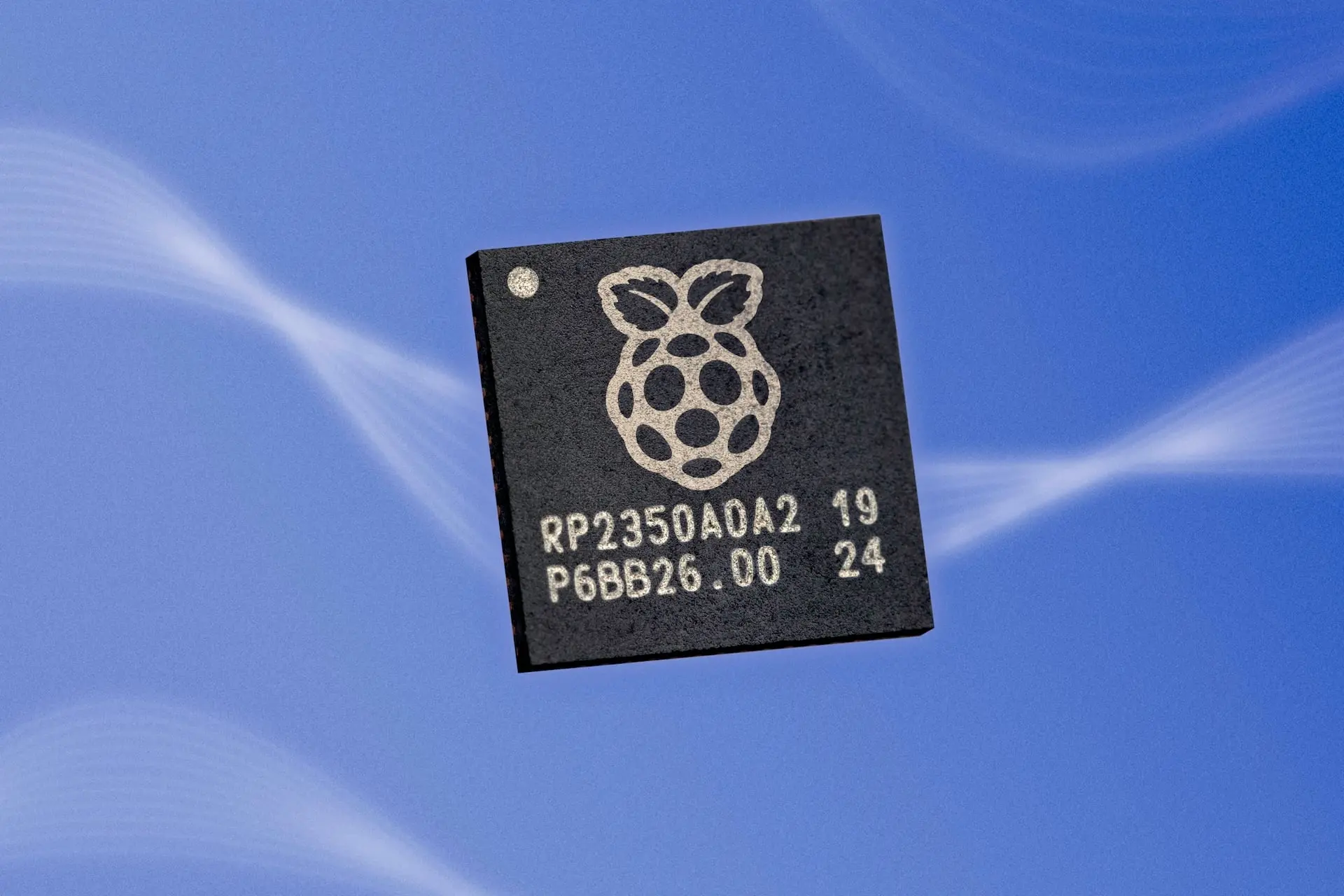
Raspberry Pi tackled the calculation of embodied carbon in its products, revealing that the conventional weight-based emissions accounting for silicon chips was misleading. The company collaborated with researchers from Cornell and Columbia, employing the MicroGreen model, which takes into account factors like die area, process technology, and manufacturing yield. This new methodology allowed for a 30% reduction in the product life cycle assessment (LCA), improving the accuracy of reported data. The MicroGreen approach led to a deeper understanding of the emissions related to the silicon used, informing future design and sourcing decisions.
Critical Analysis
This innovative approach by Raspberry Pi highlights the importance of more precise models in carbon emissions assessment. Recognizing that the embodied carbon in silicon chips cannot be solely calculated via a weight-based method is crucial for more sustainable production. However, it is essential to consider the scalability of such methodologies for other manufacturers and sectors. Furthermore, there is a need for ongoing updates to the data in the database to ensure that the model remains relevant and accurate over time.
Pros and Cons
| Pros | Cons |
|---|---|
| 30% reduction in emissions | Requires specialized know-how |
| Increased accuracy in reporting | May take more time |
| Better understanding of silicon | Limited to specific chips |
| Scalable model for others | Need for reliable data |
Sources
Author: Roger Thornton
URL: https://www.raspberrypi.com/news/a-better-model-for-silicon-quantifying-chip-carbon-with-columbia-and-cornell/
Publication Date: 2026-08-28
Rights and Attribution
Images, logos, and photographs are the property of their respective owners. Used for commentary purposes.
← Back to blog